Why This Matters
Body cameras for law enforcement have the potential to increase transparency and build trust between police and the community.
Welcome to Rethinking Body Camera Use in Rockingham County. This site explains why it is important to stop Rockingham County police from using body camera footage in ways that threaten our privacy and fairness. We want to build trust between the community and law enforcement while protecting everyones rights.
Dec 9, 2025 3:12 PM
Body cameras for law enforcement have the potential to increase transparency and build trust between police and the community.
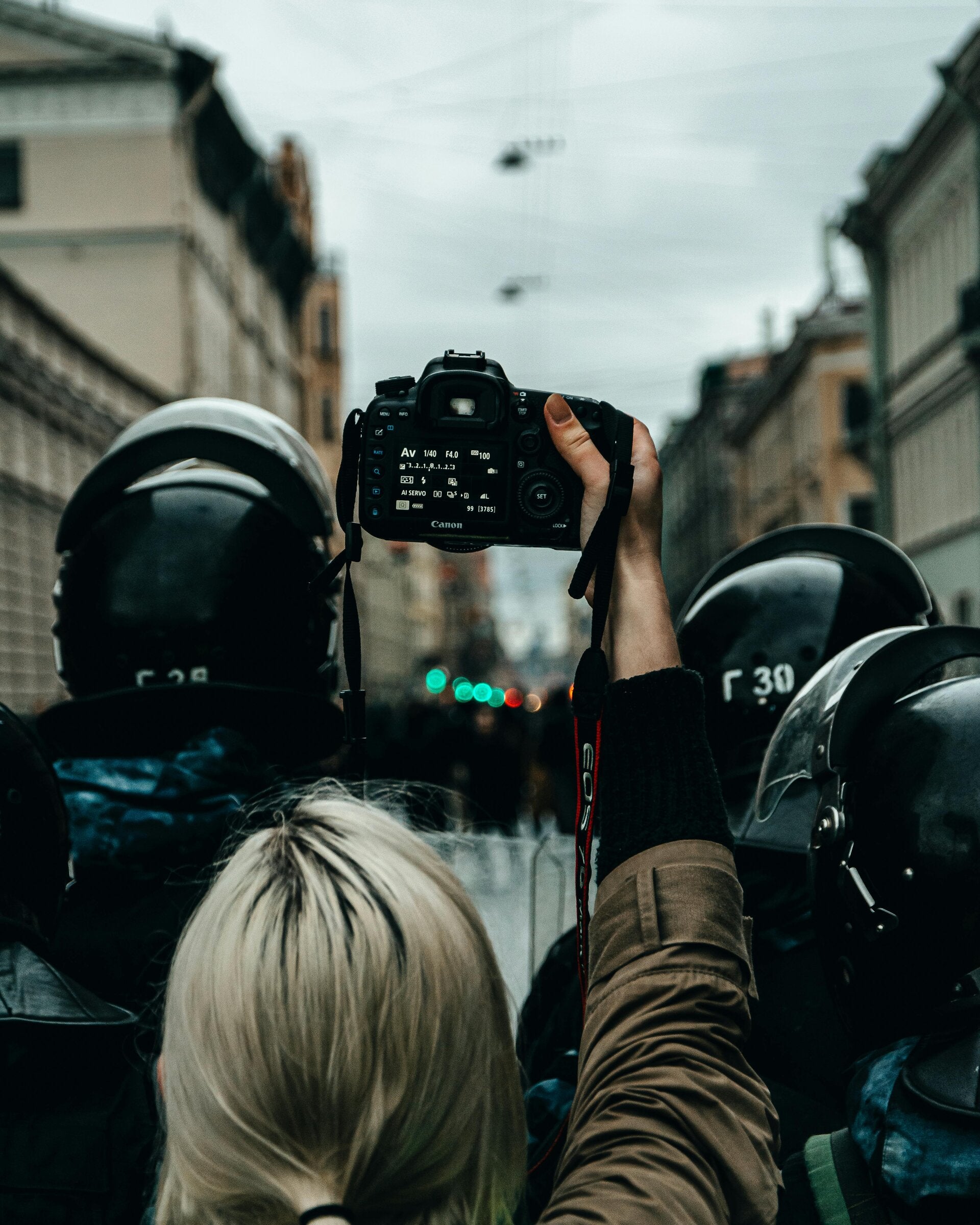
Our mission is to regulate the police-worn cameras and traffic cameras. We provide research, policies, and real-world outcomes to provide a clear, balanced view of how these devices are changing law enforcement and community relations. As citizens of Rockingham County, VA, our goal is to gather the community to sign a petition to regulate body camera footage for the safety and civil rights in today's world
Body Cameras were introduced to increase police accountability, but their footage can sometimes be misused or shared in ways that invade privacy. This raises concerns about fairness and trust in our community.
Some citizens stress the worry that limiting body camera footage could reduce police accountability or safety. It is important to recognize these concerns, but there are ways to address them without compromising privacy.
Protecting privacy and ensuring fair use of body camera footage is crucial for justice. This helps maintain social trust and respect for individual rights.
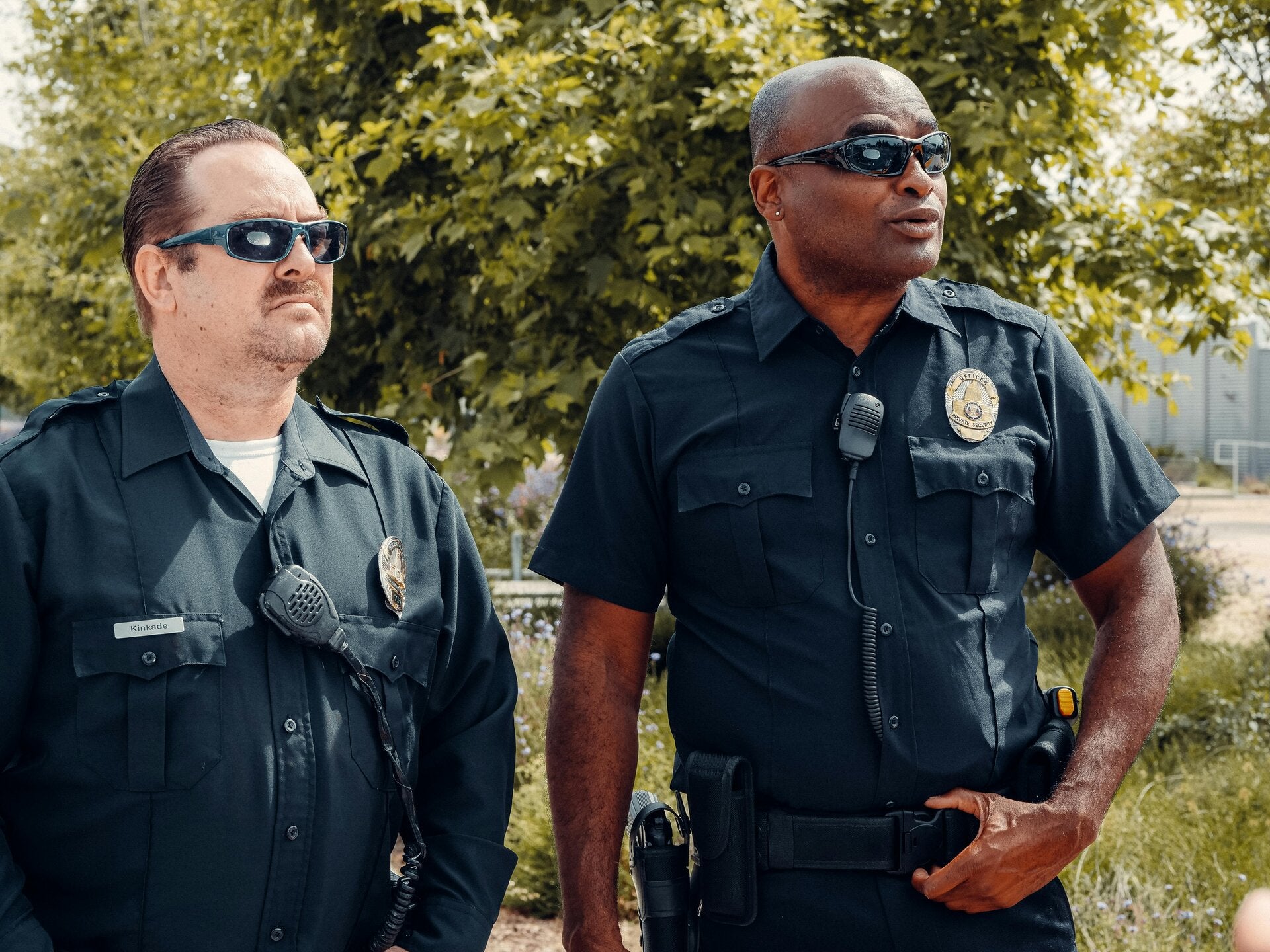
Recent events show why this issue needs immediate attention.
The application of AI to analyze footage from cameras, including traffic and Flock cameras, offers potential for enhancing public safety. However, this advancement in AI also presents critical ethical and privacy challenges that must be addressed. Research by Rai (2023) states the moral implications of AI surveillance in public spaces, exposing the risk posed to us as civilians privacy when AI systems process footage from multiple sources.
Suryadevera (2024) examines the necessity ot balancing the security benefits of automated video analysis with the protection of citizens' rights.
These concerns are reflected locally as well. The Governing News (October 2025) reports on ongoing community discussions regarding the expansion of AI-driven public surveillance. Residents are actively considering the trade-offs between enhanced safety measures and the potential for intrusive monitoring.
We as a community can help by signing this petition, contacting local officials, and joining community groups working for fair policies.
The WHRO Public Media Invest9gation into "sleepy Virginia town" reveals a case of extenisve surveillance, with the network amassing nearly 7 million hits. The report details the surveillance technologies deployed, which may encompass cameras, data collection, and analytical systems. The high volume of hits underscores a significant level of activity, promoting scrutiny of the system's impact. The investigation probably delves inot privacy concerns, potential for misuse, and the overall effect on residents.
Body cameras help make police more accountable and reduce complaints. But if footage is not carefully controlled, it can invade people's privacy and hurt trust in the community. Research shows that clear rules are needed to balance safety and privacy
Studies in criminal justice, including those from the Urban Insitute, demonstrate that body-worn cameras enhance police transparency and reduce citizen complaints. However, without strict regulations, footage misuse can lead to privacy violations and erode public trust. Social contract theory and fairness principles emphasize the importance of balancing accountability with individual rights to maintain community trust.
Create Your Own Website With Webador